As the world becomes increasingly aware of the environmental challenges we face, creating a sustainable home has never been more crucial. Adopting eco-friendly living practices not only reduces your carbon footprint but also enhances the quality of life by blending modern conveniences with sustainable design principles. In this article, we explore some innovative ways to integrate home design ideas into your lifestyle, ensuring your abode is both beautiful and environmentally responsible.
Maximizing Natural Light
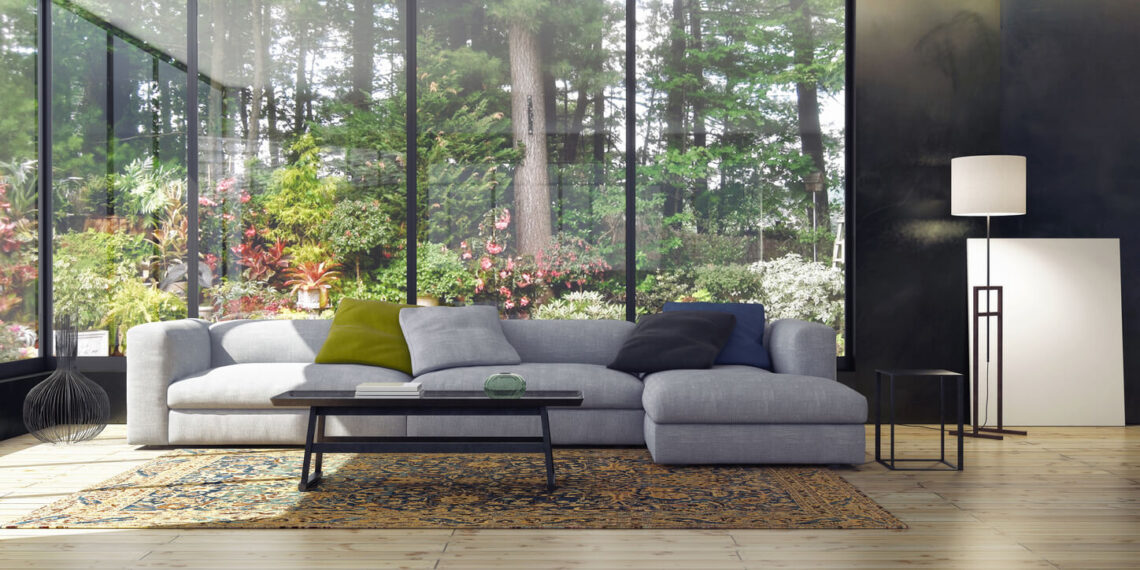
One of the simplest yet most effective sustainable home design ideas is to maximize the natural light in your living spaces. By strategically placing windows, skylights, and using reflective surfaces, you can reduce the need for artificial lighting during the day. Natural light not only saves electricity but also improves mood and boosts the health of occupants. Consider installing high-performance windows that offer better insulation and prevent unwanted heat transfer.
Apart from the aesthetic benefits, optimizing natural light reduces dependency on electric lights, which can be a significant contributor to energy use in homes. By using light-colored interiors and strategically placed mirrors, you can further enhance daylight penetration in your living space.
Energy-Efficient Lighting
When the sun sets, it’s essential to switch to energy-efficient lighting options that reduce electricity consumption. LED bulbs are an excellent choice due to their long lifespan and minimal energy use. Implementing smart lighting systems that allow you to control light intensity and schedule can also lead to substantial energy savings over time.
The integration of sensors and timers further optimizes energy usage, ensuring lights are only on when needed. Such intelligent systems are invaluable additions to any sustainable home, offering convenience and eco-friendliness in equal measure.
Eco-Friendly Building Materials
The choice of building materials plays a critical role in the environmental impact of your home. Sustainable materials such as bamboo, reclaimed wood, and recycled metal not only offer durability but also minimize the ecological footprint of your construction activities. Using local materials can further reduce the carbon emissions associated with transportation.
Bamboo, for example, is a rapidly renewable resource that serves as a sustainable alternative to traditional wood. Its strength and versatility make it ideal for flooring, cabinetry, and even structural applications. Similarly, opting for recycled metal in fixtures and structural elements can save natural resources and reduce waste.
Insulation and Heating Considerations
A well-insulated home is not only energy-efficient but also cost-effective. Insulating your walls, roof, and floors with eco-friendly materials such as sheep wool, cellulose, or even recycled denim can significantly reduce the energy required for heating and cooling. Well-planned insulation helps maintain a consistent indoor temperature, which is paramount for both comfort and energy conservation.
For heating solutions, consider the use of geothermal systems or energy-efficient boilers that utilize renewable energy sources. These systems, although sometimes associated with higher upfront costs, often result in lower operating expenses and reduced environmental impact in the long run.
Water Conservation Techniques
Water is arguably our most precious resource, and conserving it is an essential component of sustainable home design. Installing low-flow fixtures and appliances can drastically reduce the amount of water used without compromising functionality. Additionally, consider implementing rainwater harvesting systems that collect and store rainwater for use in gardens, toilets, and even washing machines.
Water-efficient landscaping, also known as xeriscaping, involves the use of drought-resistant plants and smart irrigation systems to maintain a beautiful garden while minimizing water usage. This technique aligns perfectly with sustainable design principles, creating an eco-friendly and aesthetically pleasing outdoor space.
Smart Use of Space
Creating a home that fully utilizes every inch of space is key to sustainability. Innovative laundry space solutions and storage ideas ensure that all areas of your home are both functional and efficient. For instance, vertical storage options and multi-purpose furniture can significantly expand usable space, reducing the need for larger, energy-consuming areas.
Similarly, designing contemporary room layouts that encourage flexibility and multifunctionality can accommodate changing needs without extensive renovations. Such thoughtful designs support sustainable living by maximizing utility while minimizing material use and waste.
Indoor Air Quality and Green Living
Improving indoor air quality is integral to sustainable home design. Utilizing plants as natural air filters not only enhances the aesthetic appeal of interiors but also improves air quality by removing pollutants. Plants such as spider plants, ferns, and peace lilies are known for their air-purifying abilities.
Additionally, selecting non-toxic paints and materials that emit low volatile organic compounds (VOCs) helps maintain healthy living environments. Incorporating natural ventilation strategies, such as operable windows and vents, also contributes to fresh air circulation, promoting a healthier home.
Engaging with Eco-Friendly Community Practices
Sustainable living extends beyond the confines of our homes. Engaging with community initiatives that promote green practices can amplify the impact of your individual actions. Participating in local recycling programs, community gardens, and environmental workshops not only enhances your knowledge but also fosters a sense of collective responsibility towards the environment.
Collaboration with like-minded individuals and organizations can also promote innovations in sustainability, leading to the development of new techniques and technologies that benefit the wider community. By leveraging these resources, we can collectively steer towards a more sustainable future.
Aesthetic and Functional Sustainability
An essential aspect of sustainable home design is ensuring that eco-friendly elements blend seamlessly with the aesthetic and functional requirements of the space. Green architecture should not compromise on style or usability, but rather enhance the value and experience of home living.
Biophilic design, which involves integrating nature into interiors, connects occupants with the natural world through the use of plants, natural materials, and views of nature. This approach not only bolsters environmental sustainability but also supports psychological well-being, creating calming and invigorating living spaces.
Adapting to Future Needs
The ability of a home to adapt to future needs without extensive modifications is a key feature of a sustainable design. Flexibility in design accommodates changing family dynamics, technological advancements, and evolving lifestyle preferences. Movable walls, modular furniture, and adaptable lighting are examples of how homes can be designed for ease of transition.
Future-proofing homes through sustainable practices ensures not only immediate benefits but also long-term dividends, both environmentally and economically. Investing in sustainability allows homeowners to enjoy functional and beautiful homes that remain relevant over time.
Creating a home that embodies eco-friendly principles is a rewarding venture that offers tangible benefits for the environment and its inhabitants alike. By implementing these sustainable home design ideas, you can make a meaningful impact on the planet while enjoying the comforts of a beautiful and efficient living space. The time is now to embrace sustainable living and inspire others to join in this crucial movement for a greener future.